


Geothermal Heating & Cooling in Central Texas: Is It Worth It?
Hot summers. A few cold snaps. Big swings between dry air and Gulf humidity. That is life around Whitney and the Lake Whitney area. If you want steady comfort without the usual outdoor unit noise, geothermal heating and cooling is worth a close look. You can start by learning how geothermal maintenance and repair keep these systems running strong for many years.
Below, we break down how geothermal works in our soils, what to expect during installation, which loop styles fit Central Texas properties, and the factors that shape payback and incentives. We keep it plain and practical so you can make a confident decision for your home.
How Geothermal Works Under Central Texas Soil
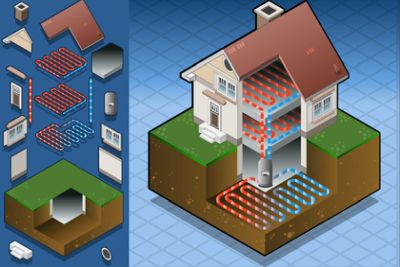
A geothermal system moves heat to and from the ground using a heat pump inside your home and a plastic pipe loop buried outdoors. The ground a few feet down stays at a relatively stable temperature through the year. That stable ground becomes your quiet, hidden heat source in winter and heat sink in summer.
In our part of Central Texas, many lots include clay topsoil with layers of limestone and caliche. That mix supports several loop options. Small or tree‑filled yards near Laguna Park may suit vertical bores. Larger open lots outside town often fit horizontal trenches. Properties with permitted, deep water features can explore pond loops. Your design depends on the land you have, the home’s load, and safe access for drilling or trenching.
Loop Options That Fit Local Lots
- Horizontal trenches: Good for wider, open yards and new builds where the ground can be trenched without disturbing finished landscaping.
- Vertical bores: Best for tight lots, mature landscapes, or rocky sites where deep, narrow holes are easier than long trenches.
- Pond or lake loop: Possible near Lake Whitney if depth, volume, and water quality meet design and environmental requirements.
Tip: Mark all buried utilities and irrigation before any digging begins. It protects your property and speeds up the job.
Pros and Real‑World Tradeoffs for Whitney Homes
- Comfort and quiet: The loud outdoor compressor you are used to is gone. Most noise stays inside and is similar to a refrigerator.
- Lower energy use: Moving heat is more efficient than making it. Many homeowners notice steadier bills across seasons.
- Durability: Indoor heat pump components often last longer than typical outdoor AC units, and buried loops are designed for decades.
- No outdoor condenser: Coastal corrosion is less of a concern when equipment is indoors, a plus during windy spring storms.
Tradeoffs to consider include site access for drilling or trenching, temporary yard disturbance, and the need for an experienced HVAC team that understands both loop design and heat pump commissioning. Do not attempt DIY loop work on any home. Proper sizing and safe installation are critical for efficiency and lifespan.
Is Geothermal Worth It in Whitney, TX? The Payback Conversation
Payback is not one-size-fits-all. It depends on your home’s heating and cooling load, your current system’s efficiency, electricity rates, soil conditions, and how easily a loop can be installed. Incentives can shorten the timeline. Federal tax credits for qualifying geothermal heat pumps and occasional utility rebates may apply. Programs change over time, so it is smart to confirm the latest details with your tax professional and utility before you build your budget.
Here is a simple way to think about it. If you plan to stay in your home for many years and you value year-round efficiency and quiet, geothermal becomes more attractive. If you are planning a major renovation, finishing a new build, or replacing an aging system, bundling loop work with other site work can also improve the overall equation. Plan for proper Manual J load calculations and duct checks so your new system is sized for our climate and your home’s insulation level.
What to Expect During a Professional Installation
Step one is an on-site assessment. Your contractor will measure your home, check ductwork, review your comfort concerns, and assess access for drilling or trenching. Next comes loop design and permitting where required. After that, the team installs the loop, pressure tests it, sets the indoor heat pump, and ties the system into your ductwork and controls. Commissioning and homeowner walkthrough finish the project.
If you are weighing equipment options or timeline, you can scan our geothermal installation details to see how the process typically flows with us.
Soil, Water, and Loop Basics for Central Texas
Clay-rich soils conduct heat differently than sandy soils. Limestone layers can limit trench depth but often allow deeper vertical bores with proper equipment. Homes close to Lake Whitney sometimes explore water-source loops, but only when depth and water quality fit engineering needs and local rules. Your installer will weigh these variables to design a loop that meets your home’s seasonal load without stressing the ground over time.
Always keep your loop map and model numbers where you can find them. Future service is faster when your technician knows the exact layout and equipment.
Maintenance and Longevity: Set It and Forget It? Not Quite
Geothermal is low maintenance, not no maintenance. A short annual visit helps keep performance steady and protects your investment. Technicians check filters, condensate drains, electrical connections, refrigerant circuit performance, loop pressure, and control settings. They also review thermostat programming so the system does not rely on auxiliary heat unnecessarily during a brief cold snap.
To keep things simple over the years, bookmark our page for geothermal service in Whitney, TX. You can schedule seasonal care with us and stay ahead of surprise breakdowns.
Who Is a Strong Candidate Around Lake Whitney?
Homeowners planning to live in their house long term, folks fed up with noisy outdoor units, and families who want steadier utility usage across hot summers and chilly mornings tend to love geothermal. New builds in White Bluff or along FM 933, downsizing renovations in Clifton or Meridian, and lake-area homes with limited outdoor space are all good candidates to evaluate. If you are replacing an aging system, consider whether trenching can happen while other yard work is planned to reduce disruption.
Geothermal vs. High‑Efficiency Air‑Source Heat Pumps
Air-source heat pumps have become much better in recent years and are a great choice for many Central Texas homes. Geothermal can still win on year-round efficiency and quiet, especially on larger or multi-story homes where comfort issues have been hard to solve. The best choice is the one sized and installed correctly for your home. That starts with a load calculation, a duct inspection, and a clear discussion of your comfort goals.
If you want a quick overview of the bigger picture across our services, you can also learn about geothermal heating & cooling in Whitney, TX with us and see how it fits into your whole-home comfort plan.